
Psychology vs Counselling: What’s the Difference in Australia?
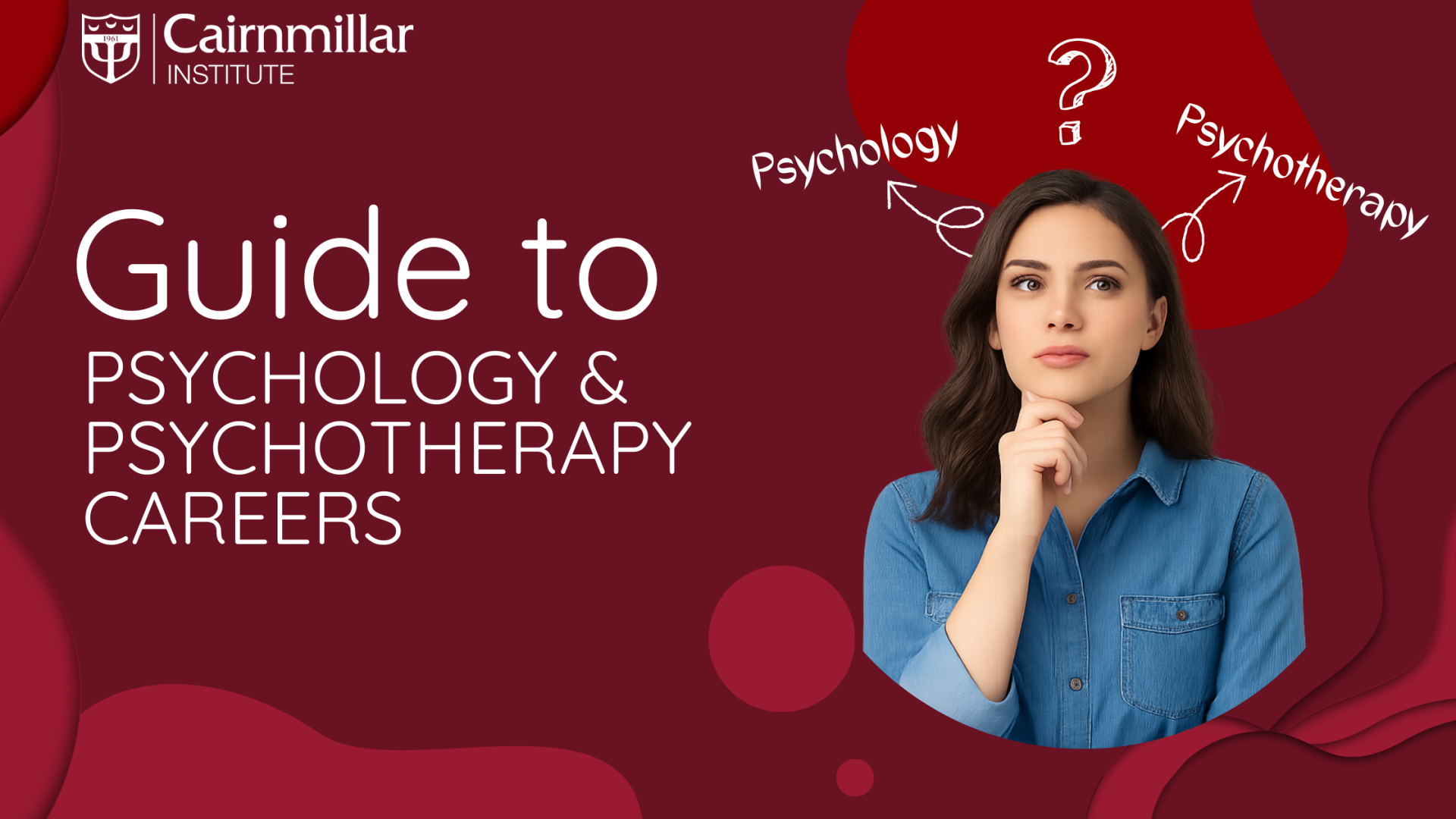
In Australia, many people are interested in working in mental health, but the study and career options can sometimes feel confusing. Some of the most common professional pathways are Psychology and Counselling.
At first, they might sound similar—they both involve helping people with their mental health. But the training, qualifications, and career outcomes are quite different. This guide breaks it down clearly so you can see which pathway might suit you best.
What is Psychology?
Psychology is the scientific study of human thoughts, emotions, and behaviour. Psychologists in Australia are health professionals who can assess, diagnose, and treat mental health concerns.
Training Pathway
To become a registered psychologist in Australia, you’ll need:
- A Bachelor of Psychology (usually 3 years).
- A 4th-year Honours program.
- Postgraduate training, such as:
- Master of Professional Psychology (1 year + 1 year internship) → General Psychologist.
- Master or Doctor of Clinical Psychology (2–4 years) → Clinical Psychologist.
Altogether, it takes around 6–8 years of study and supervised practice.
Career Outcomes
Psychologists can:
- Diagnose and treat mental health disorders.
- Provide evidence-based therapies (like CBT or ACT).
- Run assessments and reports.
- Work in hospitals, schools, private practice, research, or community services.
Psychologists are regulated by AHPRA (Australian Health Practitioner Regulation Agency), and the title “Psychologist” is legally protected.

What is Counselling?
Counselling, focuses on supporting people through talk-based therapy. Rather than diagnosis, the emphasis is on helping clients explore their emotions, build coping strategies, and improve wellbeing.
Training Pathway
To become a counsellor, the common route is:
- A Bachelor of Counselling (3 years).
- A Master of Counselling & Psychotherapy (1–2 years).
The Bachelor program includes placements and supervised practice, and the Masters is accredited by PACFA (Psychotherapy and Counselling Federation of Australia) and ACA (Australian Counselling Association).
Compared to psychology, this is a shorter and more flexible pathway.
Career Outcomes
Counsellors and psychotherapists often:
- Provide one-on-one or group counselling.
- Support people with stress, trauma, grief, relationships, or life transitions.
- Work in schools, NGOs, community organisations, private practice, or corporate wellbeing programs.
The titles “Counsellor” and “Psychotherapist” are not legally protected like “Psychologist,” but professional registration with PACFA or ACA shows credibility and training standards.

Key Differences at a Glance
| Aspect | Psychology | Psychotherapy and Counselling |
| Regulation | Protected title; registered with AHPRA | Voluntary registration with PACFA/ACA |
| Study Time | 6–8 years | 4–5 years |
| Focus | Diagnosis, assessment, treatment | Talk therapy, emotional support |
| Outcome | Registered Psychologist | Counsellor or Psychotherapist |
| Work Settings | Hospitals, clinics, schools, research, private practice | Community services, schools, NGOs, private practice |
Which Path is Right for You?
Choose Psychology if you want to:
- Diagnose and treat mental health conditions.
- Commit to longer study and supervised practice.
- Work in regulated healthcare settings.
Choose Psychotherapy if you want to:
- Focus on talk-based therapy and emotional support.
- Enter the workforce sooner.
- Work in schools, community, or private counselling.
Both careers are valued in Australia, and demand for qualified professionals is growing. The difference comes down to whether you prefer a clinical and diagnostic role (psychology) or a therapeutic and supportive role (psychotherapy).
Final Word
In Australia, both psychology and counselling offer rewarding careers in mental health. The main difference is regulation, training time, and scope of practice.
- If you want to become a regulated health professional who can diagnose and treat, choose Psychology.
- If you want to work more flexibly with talk therapy and emotional support, choose Psychotherapy.
Both pathways lead to meaningful careers supporting people’s wellbeing.
Common Questions
Q: Can a psychotherapist diagnose mental illness?
No. Only psychologists, psychiatrists, and some doctors can formally diagnose. Psychotherapists focus on providing counselling support.
Q: Which pathway is quicker?
Psychotherapy. It usually takes 4–5 years, compared with 6–8 years for psychology.
Q: Do psychologists earn more than psychotherapists?
Generally, yes—especially in clinical settings. But psychotherapists in private practice can also build successful careers.
Q: Can I study psychotherapy if my first degree is in another field?
Yes. As long as you hold a bachelor’s degree (any discipline), you can apply for a Master of Counselling & Psychotherapy.
Q: Can psychologists also use psychotherapy?
Yes. Many psychologists use psychotherapy techniques as part of their treatment approach, but they also have the added ability to diagnose and run assessments.