
What Are Core Counselling Skills and Why Are They in High Demand in Australia?
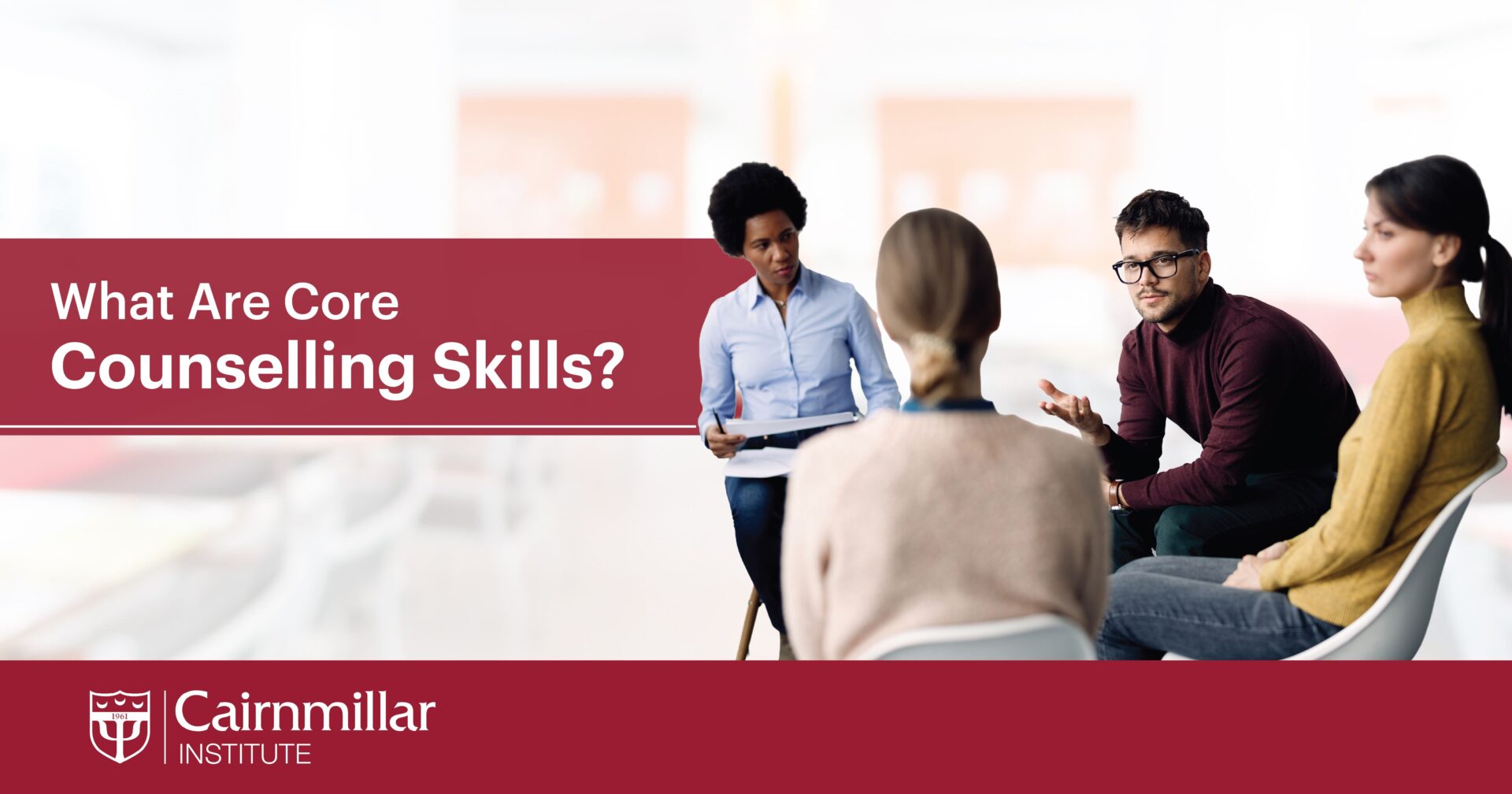
Core counselling skills are a common area of interest for people exploring careers in community services or looking to upskill to better support others in their professional or personal lives. This article explains what core counselling skills are, why they are increasingly important across Australia, who uses them, and how they can support both career development and further study.
Many recognised training providers across Australia offer introductory year-round programs that teach these foundational abilities, including practical workshops such as the Core Counselling Skills training delivered by the Cairnmillar Institute.
What Are Core Counselling Skills?
Core counselling skills refer to foundational interpersonal techniques such as active listening, non‑verbal communication, paraphrasing, reflecting, summarising, and creating psychological safety. These micro‑skills help individuals understand others more deeply and respond in a respectful, ethical, and supportive way.
These skills allow people to:
- Build trust and rapport
- Support emotional wellbeing
- Communicate clearly and compassionately
- Respond constructively to challenges
Core counselling skills help professionals create safe, supportive conversations where individuals feel heard and understood. Organisations like the Cairnmillar Institute known for its trusted specialisation in the mental health space teach these skills with a strong emphasis on practical application, using guided exercises, role‑plays, and real‑life scenarios that reflect situations learners may encounter in people‑focused roles
Key Core Counselling Skills
While counselling approaches can vary, core counselling skills generally include the following foundations:
Active Listening: Active listening involves giving full attention to the person speaking, noticing both verbal and non-verbal communication, and responding without interruption. It helps people feel respected and understood.
Empathy: Empathy is the ability to understand another person’s experience from their perspective, without judgement. It supports trust and strengthens the counselling relationship.
Open and Effective Questioning: Open-ended questions encourage people to reflect and express themselves more fully. This supports deeper understanding rather than quick or surface-level responses.
Reflection and Paraphrasing: Reflecting back what someone has shared confirms understanding and helps clarify thoughts and emotions. It also reassures the person that they are being genuinely listened to.
Professional Boundaries: Knowing the limits of your role is essential. Core counselling skills include maintaining ethical boundaries and recognising when further support or referral may be needed.
Managing Emotional Conversations: These skills help professionals remain calm, present, and supportive when people express distress, uncertainty, or strong emotions.
Why Are Core Counselling Skills in High Demand in Australia?
Across Australian workplaces, schools, and communities, mental health and wellbeing are becoming central priorities. Many roles now require staff to respond confidently and compassionately to people experiencing emotional distress, even when counselling is not their main job.
These skills are valued because they:
- Support early intervention and wellbeing
- Improve communication in people-focused roles
- Are practical and immediately useful
- Transfer across multiple industries
- Provides an entry level introduction to counselling and psychology study
They are particularly valuable for career changers, mature-age learners, and professionals seeking to strengthen their people skills without committing to long-term study straight away.
Who Uses Core Counselling Skills?
Core counselling skills are used across many fields, including:
- Community and youth services
- Health and allied health settings
- Education and student support roles
- Human resources and leadership positions
- Disability and social services
- Volunteer and support organisations
They are also well suited to individuals who want to explore whether counselling is the right career path before enrolling in a longer qualification.
How Core Counselling Skills Are Taught at Cairnmillar
The Cairnmillar Institute uses an interactive, practice‑focused approach to teaching these skills. The training includes small‑group activities, role‑plays, case discussions, and guided feedback from experienced practitioners, all delivered in a supportive environment. Cairnmillar offers this Core Counselling Skills as a three‑day, in‑person workshop held throughout the year at its Hawthorn East campus. Learners gain hands‑on experience applying the skills in real‑world scenarios
This approach helps learners build confidence quickly and apply skills effectively in real-world contexts.
Study and Career Pathways After Core Counselling Skills
For many people, learning core counselling skills is a first step rather than a final destination. These skills can support progression into:
- Diploma-level counselling programs
- Undergraduate psychology and counselling degrees
- Community services and mental health roles
- Ongoing professional development
Even without further study, core counselling skills enhance employability by strengthening communication, emotional intelligence, and ethical practice.
Where to Learn Core Counselling Skills
Core counselling skills workshops are offered by many recognised training providers across Australia. These include community organisations, professional development institutes, and higher education providers staffed by experienced facilitators. The Cairnmillar Institute is one such provider offering regular, introductory Core Counselling Skills workshops designed for beginners and people‑focused professionals. Upcoming workshops, along with other training opportunities, can be found on the Cairnmillar events page. Explore Latest Events & Sessions | Cairnmillar Institute
Frequently Asked Questions (FAQs)
Q: What are core counselling skills?
Core counselling skills are foundational communication skills that help individuals listen, understand, and support others emotionally in a safe and ethical way.
Q: Do I need prior experience to learn core counselling skills?
No. Core counselling skills courses are suitable for beginners and do not require previous counselling or psychology study.
Q: Are core counselling skills only useful for counsellors?
No. They are widely used across education, healthcare, community services, and workplace support roles.
Q: Can core counselling skills lead to further study?
Yes. They are often used as a pathway into counselling, psychology, or mental health qualifications.
Q: Are core counselling skills recognised in Australia?
Yes. They are widely taught and valued across the Australian mental health and community services sectors.
Q: How long does it take to learn core counselling skills?
Introductory training is typically delivered in a short, intensive format, with skills developed through guided practice.